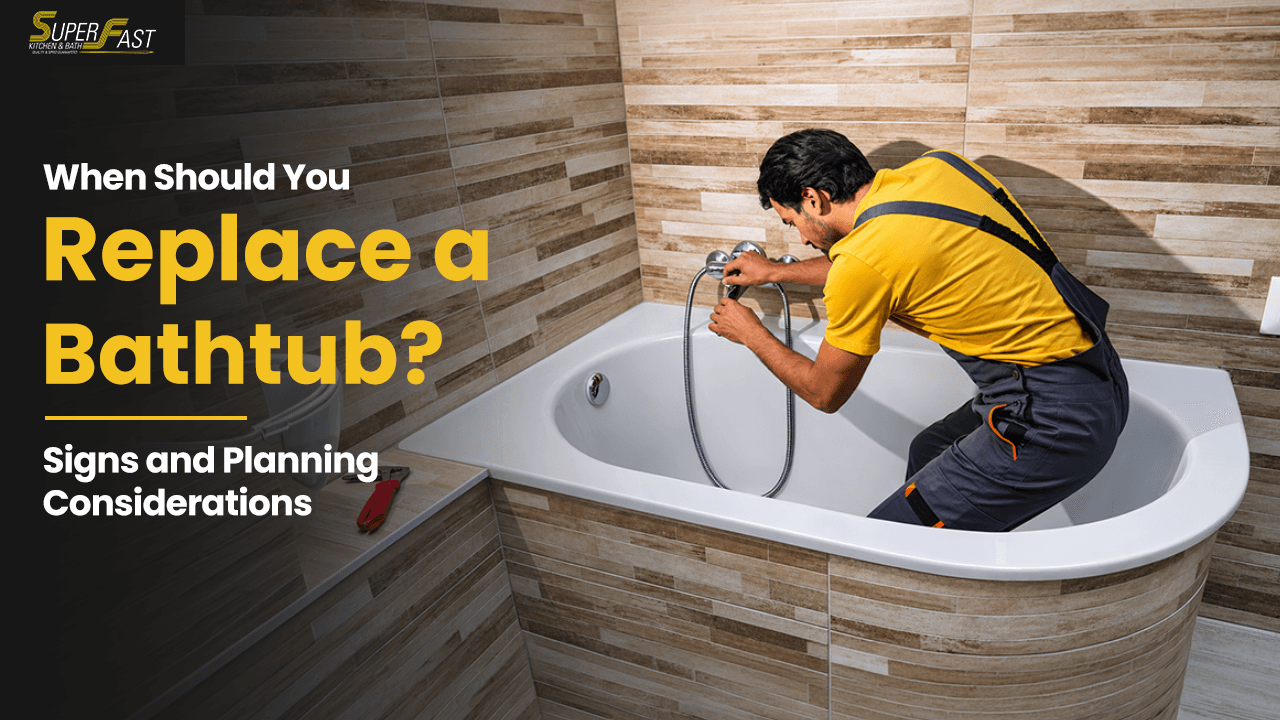
An old bathtub does not always need immediate replacement, but visible damage, difficult cleaning, and changing household needs often make an upgrade worth considering. Homeowners searching for bathtub replacement near me should review the tub's condition, how the bathroom is used, and whether a new bathtub or tub-to-shower conversion better suits the household.
Some bathtubs remain functional for many years with regular care. Others develop surface damage, stains, cracks, or problems around the surrounding area. Even when the tub still works, its size, height, or design might no longer suit the people using the bathroom.
Before planning a replacement, look at the condition of the existing bathtub and consider the available options. A consultation also helps clarify the work involved and whether a replacement or a different shower arrangement makes more sense.
1. Visible Cracks, Chips, and Surface Damage
Visible damage is one of the clearest signs a bathtub needs professional attention. Inspect the tub surface, corners, edges, and areas around the drain. Small cosmetic marks differ from damage that affects the tub's structure or surrounding materials.
Cracks in the Bathtub
Cracks deserve attention, especially around the base, corners, or areas exposed to regular weight and movement. Some surface marks are cosmetic, while deeper damage needs professional assessment. Do not assume a crack is harmless because the tub still holds water. Ask a qualified professional whether repair or replacement is suitable.
Chips and Damaged Finishes
Chipped surfaces affect appearance and might expose the material beneath the finish. A small chip and widespread deterioration require different assessments. Consider the number and location of damaged areas and whether previous repairs have held up. If the finish continues to deteriorate, ask about replacement options.
Loose or Damaged Surrounding Materials
Check the visible edges, wall finishes, and joints around the tub. Loose tiles, damaged sealant, or signs of moisture deserve attention. These conditions do not automatically mean the tub needs replacement, but they should be assessed before planning new installation work.
2. Persistent Stains and Difficult-to-Clean Surfaces
Some bathtubs become harder to maintain as their surfaces age. Regular cleaning removes ordinary soap residue, but persistent discoloration or surface deterioration might not respond to routine cleaning.
Stains That Keep Returning
Look for discoloration around the drain, waterline, corners, and areas where soap or bath products collect. Review the manufacturer's cleaning guidance because some products and tools are unsuitable for particular finishes. If stains remain after appropriate cleaning, ask whether the surface is suitable for repair or whether replacement deserves consideration.
Scratches and Rough Patches
A surface that feels rough or has widespread scratches might be harder to clean and less pleasant to use. Inspect the finish under normal lighting and note areas that appear worn, uneven, or discolored. The material and finish determine which repairs are appropriate.
Cleaning Takes Too Much Effort
An older tub with persistent residue, damaged finishes, or difficult-to-reach areas might require more attention than expected. Consider whether the surface remains practical for your cleaning routine. A replacement offers an opportunity to review the shape, finish, and surrounding design.
3. Water Leaks or Moisture Around the Bathtub
Moisture around a bathtub deserves attention because the source might involve more than the visible tub surface. Water near the base, damaged surrounding materials, or recurring damp areas should be assessed before deciding on replacement.
Signs to Look For
- Water appearing around the bathtub after use.
- Damp flooring near the tub.
- Discolored wall or floor materials.
- Damaged sealant around the edges.
- Loose tiles near the bathtub.
- Persistent musty odors.
- Visible deterioration around nearby surfaces.
These signs do not confirm the bathtub is the source. Plumbing connections, drainage components, surrounding joints, and other bathroom conditions might also contribute.
Why the Source Matters
Replacing the bathtub without identifying the source of moisture might leave the underlying problem unresolved. A professional assessment helps determine whether the issue involves the tub, plumbing, drainage, surrounding surfaces, or another part of the bathroom. Discuss previous leaks or repairs during your consultation; photos of recurring moisture or visible damage can also help.
4. The Bathtub No Longer Suits Your Household
A bathtub might remain in reasonable condition but become less practical as household needs change. A bathroom used by a growing family has different requirements from one designed for someone who prefers quick showers or needs easier access.
Changes in Mobility
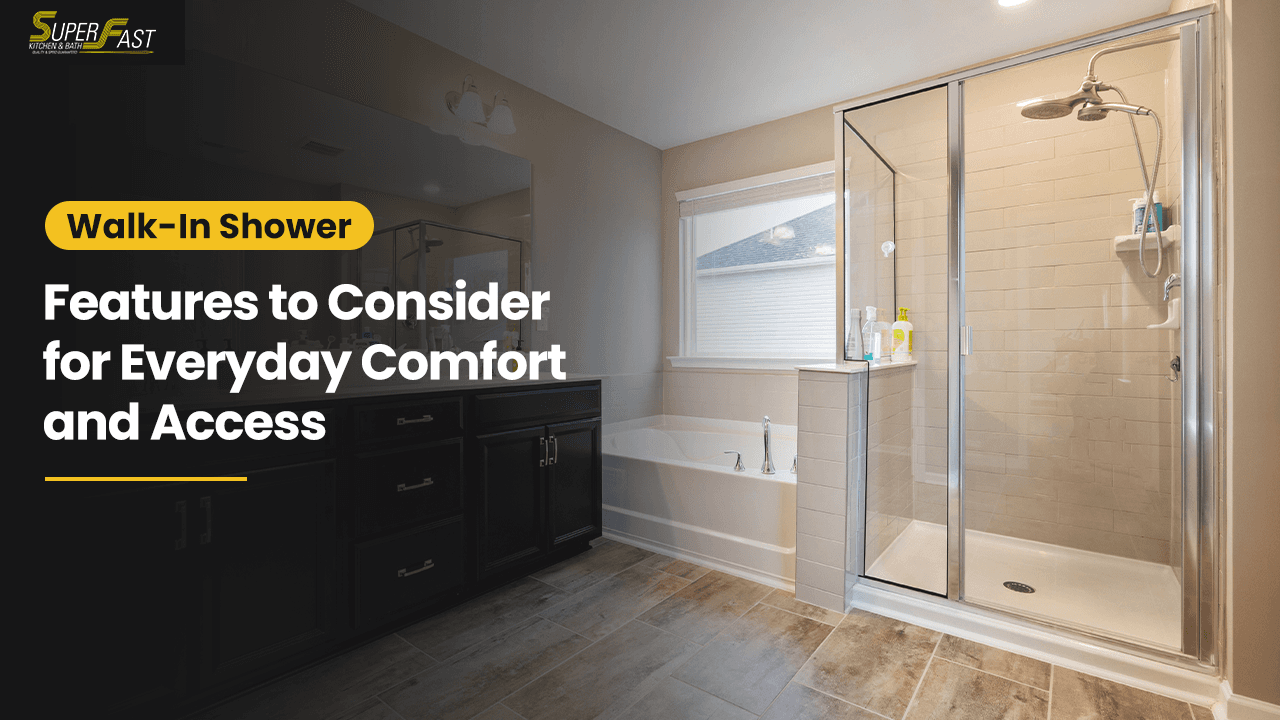
A high bathtub edge might become difficult to step over. If entering and leaving the tub feels uncomfortable or requires assistance, review bathroom accessibility options. A walk-in shower or another arrangement might be more practical, depending on the layout and individual needs.
Different Bathing Habits
Some households use a bathtub regularly, while others rely on showers. If the tub is rarely used, consider whether the space would serve the household better with a different layout.
Changing Family Requirements
Household needs change over time. Families with young children might value a bathtub, while other households might prefer a shower-focused bathroom. Consider who uses the bathroom now and how the space needs to function in the coming years.
5. The Bathtub Feels Too Small or Uncomfortable
Older bathtub designs do not always match current comfort preferences. A tub might feel too short, too narrow, or difficult to use because of its shape and available space. Review the existing dimensions and the space available for another model.
Review Tub Dimensions
Measure the available length, width, and height of the bathtub area. Consider surrounding walls, plumbing access, drain position, and the bathroom entrance. A replacement needs to suit both the available space and installation requirements.
Consider Entry and Exit
The height and shape of the bathtub edge affect how easily people enter and leave. If the existing design creates difficulty, discuss lower-entry or alternative bathing arrangements with the remodeling team.
Think About Everyday Comfort
Consider the tub's shape, depth, seating position, and how people use the space. Select a replacement for the intended bathing routine, not appearance alone.
6. Your Bathtub Looks Outdated or No Longer Matches the Bathroom
Appearance alone does not always justify replacing a functional bathtub, but an outdated tub might be part of a larger remodeling decision. A worn finish or design that conflicts with updated bathroom features can affect the overall appearance.
Mismatched Bathroom Finishes
If you have updated the vanity, flooring, or wall finishes, the existing tub might no longer suit the room. A replacement provides an opportunity to coordinate the tub with the surrounding design.
Limited Design Choices
Older bathtub styles might not match your preferred appearance. Review replacement options, finishes, shapes, and surrounding wall materials before deciding.
Planning a Complete Bathroom Update
If several bathroom features need attention, consider whether replacement should form part of a wider renovation. Review bathroom remodeling mistakes homeowners should consider before installation before finalizing the project scope.
7. Bathtub Replacement or Tub-to-Shower Conversion?
A bathtub replacement keeps a bathing area in the bathroom. A tub-to-shower conversion changes the existing bathtub space into a shower. The right choice depends on how the bathroom is used, available space, accessibility preferences, and existing plumbing and wall conditions.
When a New Bathtub Makes Sense
- Your household still uses a bathtub regularly.
- The existing tub has significant surface damage.
- The current bathtub is difficult to clean.
- You prefer a new style or finish.
- The existing bathing arrangement suits your needs.
- You want to update the tub without changing the main layout.
Review available dimensions and installation requirements before selecting a replacement.
When a Tub-to-Shower Conversion Makes Sense
- Household members prefer showers over baths.
- Stepping over the bathtub edge has become difficult.
- A different bathing arrangement is preferred.
- The existing bathtub receives little use.
- You want to change how the bathroom space functions.
The proposed shower design should account for entry height, wall materials, fixtures, storage, and other features.
Discuss Both Options Before Making a Decision
Avoid choosing a replacement based only on the appearance of the existing tub. Review household bathing habits and longer-term requirements. A consultation helps explain the available options and work involved. For a closer look, read the guide to walk-in showers versus bathtubs in Grand Junction.
8. Bathtub Replacement Options to Consider
Compare available bathtub styles and product specifications. The right selection depends on bathroom dimensions, household preferences, existing plumbing, and installation requirements.
Standard Replacement Bathtub
A standard replacement tub follows a familiar arrangement. Review its dimensions, shape, material, finish, drain location, and compatibility with the surrounding bathroom.
Walk-In Bathtub
A walk-in bathtub includes an entry door designed to provide access without stepping over a conventional tub wall. Review the entry design, seating, controls, dimensions, and bathroom layout against the user's needs and product specifications.
Replacement Tub With Updated Surrounds
Some projects replace the bathtub alongside new wall surrounds. This provides an opportunity to coordinate the tub and surrounding surfaces. Discuss wall dimensions, fixtures, storage, and installation work before approving selections.
Tub-to-Shower Conversion
A conversion replaces the bathtub arrangement with a shower system. Depending on the design, it might include a new shower base, wall surrounds, fixtures, and accessories. Review available space and intended features before deciding.
9. What to Review Before Scheduling Bathtub Installation
Planning involves more than selecting a model. Review the existing bathroom and installation requirements before approving the project.
Measure the Existing Space
Record the bathtub length, width, and surrounding wall dimensions. Consider the bathroom entrance, nearby fixtures, and access route for bringing materials into the home.
Review Plumbing and Drain Locations
The existing water supply and drain arrangement influence replacement options. Ask whether the selected bathtub works with the current layout or whether plumbing changes are required.
Check the Surrounding Walls and Flooring
Inspect visible wall and floor conditions. Discuss previous leaks, damaged tiles, or deteriorated materials before installation planning is complete.
Select the Bathtub and Fixtures Together
Review the tub, faucet, drain assembly, handles, and other components. Confirm product compatibility and installation requirements for the complete arrangement.
Discuss the Project Schedule
Ask about the expected installation duration, access restrictions, and bathroom availability. If the bathtub is the home's only bathing facility, plan an alternative arrangement during the work.
Confirm the Work Included
Review which removal, preparation, plumbing, installation, and finishing tasks are included. A written scope helps everyone understand the work planned.
10. Bathtub Replacement in Grand Junction, Colorado
Homeowners considering bathtub replacement in Grand Junction often need to compare the tub's condition with their current bathing requirements. SuperFast Kitchen & Bath works with homeowners in Grand Junction and surrounding Western Slope communities on bathtub replacement, walk-in tubs, walk-in showers, tub-to-shower conversions, and full bathroom remodels.
During an in-home consultation, discuss visible damage, cleaning concerns, accessibility preferences, and replacement features. If you are also considering a conversion, explain how your household uses the bathroom. The team offers free, no-obligation in-home quotes. Visit the Grand Junction service area page or call (970) 361-3404.
Frequently Asked Questions
When should I replace my bathtub?
Consider replacement when the tub has significant cracks, chips, persistent surface damage, recurring problems, or no longer suits household needs. A professional assessment helps determine whether repair or replacement is appropriate.
How do I know whether my bathtub is damaged?
Look for visible cracks, chipped finishes, rough surfaces, recurring moisture, damaged edges, and deterioration around the tub. Have the cause and severity assessed before deciding.
Should I replace a bathtub with persistent stains?
Persistent stains deserve attention when suitable cleaning does not improve the appearance. Check the manufacturer's care instructions and ask whether the surface is suitable for repair or replacement.
Is a cracked bathtub safe to use?
It depends on the crack's location, depth, and cause. A professional should inspect visible cracks, especially when there are signs of leakage or structural deterioration.
Should I replace my bathtub or convert it into a shower?
Keep a bathtub if your household uses one and the arrangement suits your needs. Consider a conversion if showers better match your habits or a different entry arrangement is preferred. A consultation helps compare both options.
How do I choose a replacement bathtub?
Review the available space, dimensions, material, finish, shape, drain location, fixture compatibility, and household preferences. Confirm product specifications and installation requirements before ordering.
Do I need to replace the wall surrounds when replacing a bathtub?
The project scope depends on the condition of existing surrounds, the selected bathtub, and product compatibility. Ask the installer to assess the complete bathing area.
How long does bathtub installation take?
Duration depends on the selected bathtub, existing conditions, plumbing requirements, and project scope. Ask the installation team for a schedule based on your bathroom.
Can I replace an old bathtub without remodeling the entire bathroom?
A bathtub replacement does not automatically require a complete remodel. The scope depends on surrounding wall and floor conditions, plumbing, and compatibility with the existing space.
Does SuperFast Kitchen & Bath offer bathtub replacement in Grand Junction?
SuperFast Kitchen & Bath provides bathtub replacement and bathroom remodeling services in Grand Junction and surrounding Western Slope communities. Contact the team to discuss your bathroom and request a free, no-obligation in-home quote.
Plan Your Bathtub Replacement Around Your Household Needs
Visible damage, persistent stains, moisture concerns, and changing bathing habits are all reasons to review an existing bathtub. A replacement might suit households that still prefer bathing, while a tub-to-shower conversion offers a different arrangement for people who primarily use showers.
Review the bathroom's condition, compare suitable products, and discuss installation requirements before making a decision. If you are considering bathtub replacement or a conversion in Grand Junction or a nearby Western Slope community, contact SuperFast Kitchen & Bath.
Call (970) 361-3404 to request a free, no-obligation in-home quote.