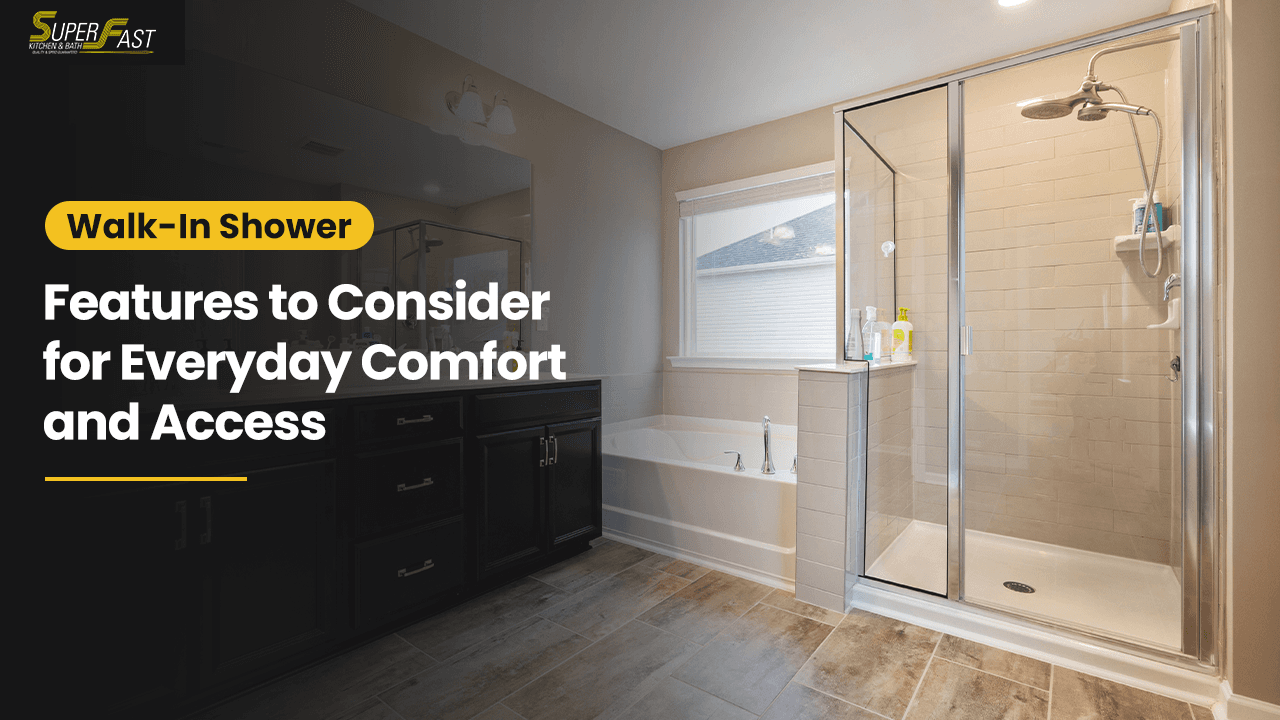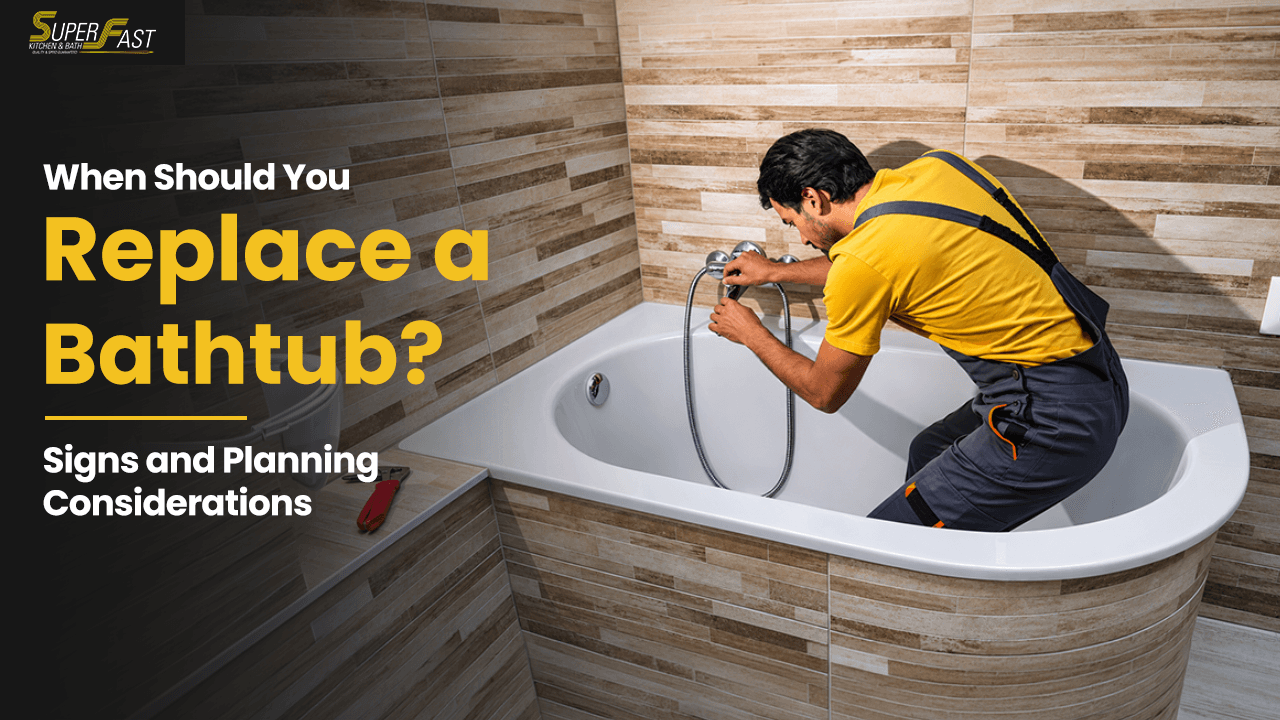

Choosing the right shower wall materials is an important part of bathroom remodeling. The wall finish affects the appearance of the shower, the number of seams, everyday cleaning, and the overall design. Homeowners comparing bathroom remodeling options often consider traditional tile alongside modern shower wall panels.
Both options offer different design possibilities. Tile provides flexibility with patterns, sizes, colors, and layouts. Wall panels offer a different approach, often using larger sections with fewer visible joints. The right choice depends on personal preferences, the selected products, bathroom dimensions, installation requirements, and maintenance expectations.
Before selecting a shower surround, review how each material looks, how the finished surface is assembled, and what cleaning routine the manufacturer recommends.
1. Understand the Main Shower Wall Materials
Shower walls are available in several material types. Two common categories homeowners compare are individual tiles and manufactured wall panels. Products within each category differ in appearance, construction, available finishes, and installation requirements.
Tile Shower Walls
Tile shower walls use individual pieces arranged across the wall surface. Tiles are available in different sizes, colors, textures, shapes, and patterns. Common choices include large-format tiles, mosaics, subway layouts, stone-look finishes, geometric patterns, decorative accents, and contrasting grout colors.
Tile offers design flexibility because individual pieces can be arranged in different patterns. The finished appearance also depends on grout selection, tile spacing, edge details, and the overall shower layout.
Shower Wall Panels
Shower wall panels use larger manufactured sections designed for shower surrounds. Depending on the product, panels are available in different colors, patterns, textures, and surface finishes. Some systems create the appearance of natural stone, marble, or other decorative surfaces.
Panel sizes, joining methods, and installation details vary by manufacturer. Review the product specifications before comparing systems.
Other Shower Surround Options
Some bathroom projects use prefabricated shower surrounds or integrated wall systems. The available options depend on the shower base, wall dimensions, product compatibility, and installation requirements. Ask the remodeling team which materials suit the planned shower design.
2. Compare the Appearance of Tile and Wall Panels
Appearance is often one of the first factors homeowners consider. Tile and panels offer different visual styles, and the preferred option depends on the bathroom's overall design.
The Look of Tile Shower Walls
Tile creates a segmented appearance because individual pieces and grout joints remain visible. Straight horizontal rows create a different effect from vertical arrangements, herringbone patterns, or decorative mosaics.
Homeowners who prefer detailed patterns and varied tile combinations often appreciate this flexibility. Tile also allows different materials or colors to be combined within one shower, subject to product compatibility and installation details.
The Look of Shower Wall Panels
Panels often create a more continuous visual appearance because larger sections cover more of the wall. Depending on the product, designs might include marble-inspired patterns, stone-look finishes, solid colors, textures, decorative patterns, or neutral tones.
The finished appearance depends on panel dimensions, joining details, corner pieces, and the manufacturer's design range.
Which Appearance Suits Your Bathroom?
Tile often suits homeowners who want individual patterns, decorative sections, or a customized layout. Panels often appeal to homeowners who prefer larger visual sections and fewer visible joints.
Review physical product samples alongside your bathroom finishes. Lighting, cabinet colors, flooring, and shower fixtures all influence how a wall material looks once installed.
3. Understand Seams, Grout Lines, and Panel Joints
The number and arrangement of visible joints differ between tile and panel systems. This affects the finished appearance and cleaning routine.
Grout Lines Between Tiles
Tile installations use grout between individual pieces. The amount of grout depends on tile dimensions, layout, joint spacing, and the selected installation system. Smaller tiles generally create more joints across a given wall area.
Grout color also affects the visual result. A contrasting shade makes the tile pattern more noticeable, while a similar shade creates a more uniform appearance. Grout requires appropriate cleaning and care according to the product manufacturer's instructions.
Joints Between Wall Panels
Panel systems use joining methods specified by the manufacturer. Visible joints might appear at panel connections, corners, edges, or around fixtures. Larger panels often reduce the number of visible connections compared with smaller individual tiles.
Fewer joints do not mean a shower is maintenance-free or that every panel system is completely joint-free. Review the joining method and sealing requirements before choosing a product.
What to Review Before Installation
Ask the installer to explain where joints will appear and how corners, edges, fixtures, and transitions will be finished. Request information about the recommended installation materials and ongoing care. The complete wall assembly matters more than the appearance of the main surface alone.
4. Compare Shower Wall Maintenance and Cleaning
Regular cleaning helps keep shower surfaces looking presentable. The suitable routine depends on the selected material, surface finish, grout or joint details, and cleaning products approved by the manufacturer.
Cleaning Tile Shower Walls
Tile surfaces require regular cleaning to remove soap residue, water deposits, and everyday bathroom buildup. Grout joints need additional attention because dirt and residue might collect between tiles.
- Follow the tile and grout manufacturer's cleaning instructions.
- Use approved cleaning products and tools.
- Rinse surfaces as recommended.
- Check grout joints periodically.
- Address damaged grout or sealant through appropriate repairs.
Some grout products require periodic sealing, while others have different care requirements. Check the specifications for the exact grout used during installation.
Cleaning Shower Wall Panels
Panel cleaning requirements depend on the material and surface finish. Many panel systems use larger surface sections with fewer visible joints than conventional tile installations. This changes the areas homeowners need to clean, but product-specific care instructions still apply.
Before purchasing panels, check approved cleaning products and tools, instructions for removing soap residue, care requirements for joints and corners, restrictions on abrasive cleaners, and the manufacturer's maintenance guidance. Do not assume every panel material accepts the same products.
Build a Practical Cleaning Routine
Regardless of the selected wall material, follow the manufacturer's care instructions. Remove visible residue regularly, keep the shower area clean, and inspect joints and edges for signs of damage. A suitable routine starts with understanding the exact product installed.
5. Are Grout-Free Shower Walls a Good Option?
The phrase grout-free shower walls often refers to wall systems designed without traditional grout joints between individual tiles. Some manufactured panels use joining systems that create a more continuous surface.
Still, grout-free does not always mean joint-free. Panel systems might include connections, corner joints, edge details, or sealing points. These areas need to follow the manufacturer's installation and maintenance instructions.
Potential Advantages of Fewer Grout Lines
Homeowners comparing these systems often consider a more continuous wall appearance, fewer traditional grout joints, different cleaning requirements, large-format decorative designs, and a simplified visual arrangement. These features depend on the specific product and installation method.
Questions to Ask About Grout-Free Systems
- How are the panels connected?
- Which areas require sealant?
- How are inside and outside corners finished?
- What cleaning products are approved?
- How should joints be inspected?
- Are replacement components available?
- Which installation conditions apply?
These details provide a clearer understanding of the complete shower system.
6. Compare Design Flexibility and Customization
The available design choices differ between tile and manufactured panels. Your preferred bathroom style, wall dimensions, and selected shower features should guide the decision.
Tile Offers Individual Design Arrangements
Tile allows homeowners to combine different sizes, shapes, patterns, and colors. A shower might include larger tile across the main walls with a decorative accent in a niche or another suitable area.
Layouts can include horizontal running bond patterns, vertical stacked arrangements, herringbone, mosaic accents, contrasting borders, and mixed tile sizes. The final design depends on product availability, layout planning, and installation requirements.
Panels Offer Coordinated Surface Designs
Manufactured panels often come in coordinated designs intended for larger wall sections. Some products feature patterns inspired by natural stone or marble, while others use solid colors or textured finishes. Panel ranges differ by brand, so review the available sizes and designs before selecting one.
Match the Wall Material With Other Bathroom Finishes
Consider how shower walls relate to flooring, vanity finishes, countertops, fixtures, and lighting. A wall finish should complement the rest of the bathroom rather than compete with every other design element.
If you are planning a complete bathroom update, review bathroom design trends and practical remodeling ideas before finalizing your selections.
7. Review Installation Considerations for Tile and Wall Panels
Installation requirements are an important part of the material comparison. Tile and panel systems use different methods, and the work involved depends on the product and existing bathroom conditions.
Tile Installation Considerations
Tile installation involves preparing the wall surface, planning the layout, cutting individual pieces, setting tiles, and completing the joints. The installer needs to account for wall dimensions and surface conditions, tile size and layout, fixture openings, joint spacing, corner and edge details, grout selection, and required waterproofing and substrate preparation.
The complete shower assembly must follow suitable installation standards and product instructions. Tile alone should not be treated as the waterproofing system.
Wall Panel Installation Considerations
Panel installation requirements depend on the selected system. Some products require specific wall preparation, approved adhesives, joining components, or manufacturer-approved sealing methods.
Review panel measurements, wall surface condition, compatibility with the shower base, corner and edge finishing, fixture openings, joint treatment, and manufacturer installation instructions. Accurate measurements matter because panels need to fit the wall and work with the selected shower components.
Existing Bathroom Conditions Matter
Before installation, review the shower area for visible damage, plumbing concerns, wall condition, and other site requirements. If the existing shower has experienced leaks or water damage, assess the affected area before installing the new wall system.
Discuss the installation scope and any required preparation with the remodeling team.
8. Choose Between Tile and Shower Wall Panels
There is no single wall material suited to every bathroom. Make a practical decision by comparing design preferences, cleaning expectations, installation requirements, and product details.
Consider Your Preferred Appearance
Choose tile if you prefer individual pieces, decorative patterns, or a customized arrangement. Consider panels if you prefer larger surface sections and fewer visible joints.
Review Your Cleaning Preferences
Think about how much attention you want to give grout joints and other surface connections. Tile requires care for both the tile surface and grout. Panel systems have their own cleaning instructions and joint maintenance requirements.
Check Product Specifications
Compare exact products rather than relying on broad descriptions of tile or panels. Review dimensions, surface finishes, installation instructions, approved cleaning products, and care requirements.
Consider the Existing Shower Layout
Wall dimensions, corners, niches, fixtures, and shower base compatibility influence the available options. Some designs require additional cutting or custom finishing. Discuss these details before approving the material.
Review the Complete Project Scope
The wall material is one part of a shower installation. Consider the shower base, fixtures, doors, accessories, plumbing, and wall preparation together. A coordinated selection helps prevent conflicts between components.
9. Questions to Ask Before Selecting Shower Wall Materials
Before approving a material, ask the supplier or remodeling team for clear product and installation information.
- What is the exact material, product name, manufacturer, and specification?
- How are grout lines, panel connections, corners, and edges finished?
- Which cleaning products are approved?
- Does the system require periodic maintenance or grout sealing?
- How is the shower wall assembly prepared, including the substrate and waterproofing?
- Are the panels or tiles compatible with the selected shower base?
- How are fixtures and accessories installed, supported, and sealed?
- What are the repair procedures, and are replacement materials available?
Written product information helps homeowners compare options based on actual specifications rather than assumptions.
10. Shower Wall Material Choices for Bathroom Remodeling in Grand Junction
Homeowners planning bathroom remodeling in Grand Junction often compare shower wall materials while reviewing the rest of the bathroom design.
SuperFast Kitchen & Bath works with homeowners in Grand Junction and surrounding Western Slope communities on bathroom remodeling projects, including walk-in showers, tub-to-shower conversions, walk-in tubs, replacement bathtubs, and full bathroom remodels.
During planning, discuss your preferred shower appearance, cleaning expectations, wall dimensions, and selected fixtures. Reviewing these details helps identify suitable options for the project.
SuperFast Kitchen & Bath offers free, no-obligation in-home quotes. The consultation provides an opportunity to discuss the existing bathroom, project requirements, and available remodeling options.
For local service information, visit the Grand Junction service area page.
Call SuperFast Kitchen & Bath at (970) 361-3404 to discuss your bathroom remodeling plans.
Frequently Asked Questions
What are the main shower wall materials?
Tile and manufactured wall panels are two common options. Other choices include prefabricated surrounds and integrated shower wall systems. Product specifications and installation requirements differ.
Are shower wall panels better than tile?
Neither option is automatically better for every bathroom. Tile offers flexibility with individual patterns and layouts, while panels often provide larger surface sections with fewer visible joints. The preferred option depends on appearance, maintenance expectations, product specifications, and installation requirements.
Are tile shower walls difficult to maintain?
Tile requires regular cleaning, including attention to grout joints. The maintenance routine depends on the tile and grout products used. Follow the manufacturer's cleaning and sealing instructions.
Are shower wall panels grout-free?
Some panel systems do not use traditional grout between individual tiles. They might still include panel connections, corner joints, or sealed edges. Review the manufacturer's joining and maintenance instructions.
Do shower wall panels have seams?
Panel systems often include joints where sections connect, along with corner and edge details. The number and appearance of these joints depend on panel dimensions and the manufacturer's installation method.
Which shower wall material is easier to clean?
Cleaning requirements depend on the exact tile, grout, or panel product. Systems with fewer traditional grout joints have different cleaning considerations, but all shower wall materials need suitable routine care.
Do tile shower walls require grout sealing?
Some grout products require periodic sealing, while others have different maintenance requirements. Check the grout manufacturer's instructions to determine whether sealing is necessary and how often.
Are shower wall panels available in different designs?
Yes. Available designs vary by manufacturer and product range. Options often include solid colors, stone-inspired patterns, marble-look finishes, and textured surfaces.
What should I check before installing shower wall panels?
Review panel dimensions, wall condition, shower base compatibility, joining method, corner details, fixture openings, and manufacturer installation instructions. Confirm the requirements with the supplier or installer.
Does SuperFast Kitchen & Bath offer shower remodeling in Grand Junction?
SuperFast Kitchen & Bath provides bathroom remodeling services in Grand Junction and surrounding Western Slope communities. Contact the team to discuss shower installation options and request a free, no-obligation in-home quote.
Choose Shower Wall Materials With Your Bathroom Needs in Mind
Tile and shower wall panels offer different approaches to bathroom design. Tile provides flexibility with patterns, sizes, and grout colors, while panels often create larger surface sections with fewer visible joints.
Compare the exact products, cleaning instructions, joining details, and installation requirements before making a final decision. The right selection should suit your preferred appearance, bathroom layout, and maintenance routine.
If you are planning a shower installation or bathroom remodel in Grand Junction or a nearby Western Slope community, contact SuperFast Kitchen & Bath to discuss your project.
Call (970) 361-3404 to request a free, no-obligation in-home quote.